

What to Do When Your Real Estate Leads Go Cold (The Re-Engagement Playbook)
Most cold leads are not dead. They are just waiting for someone to re-engage them the right way.
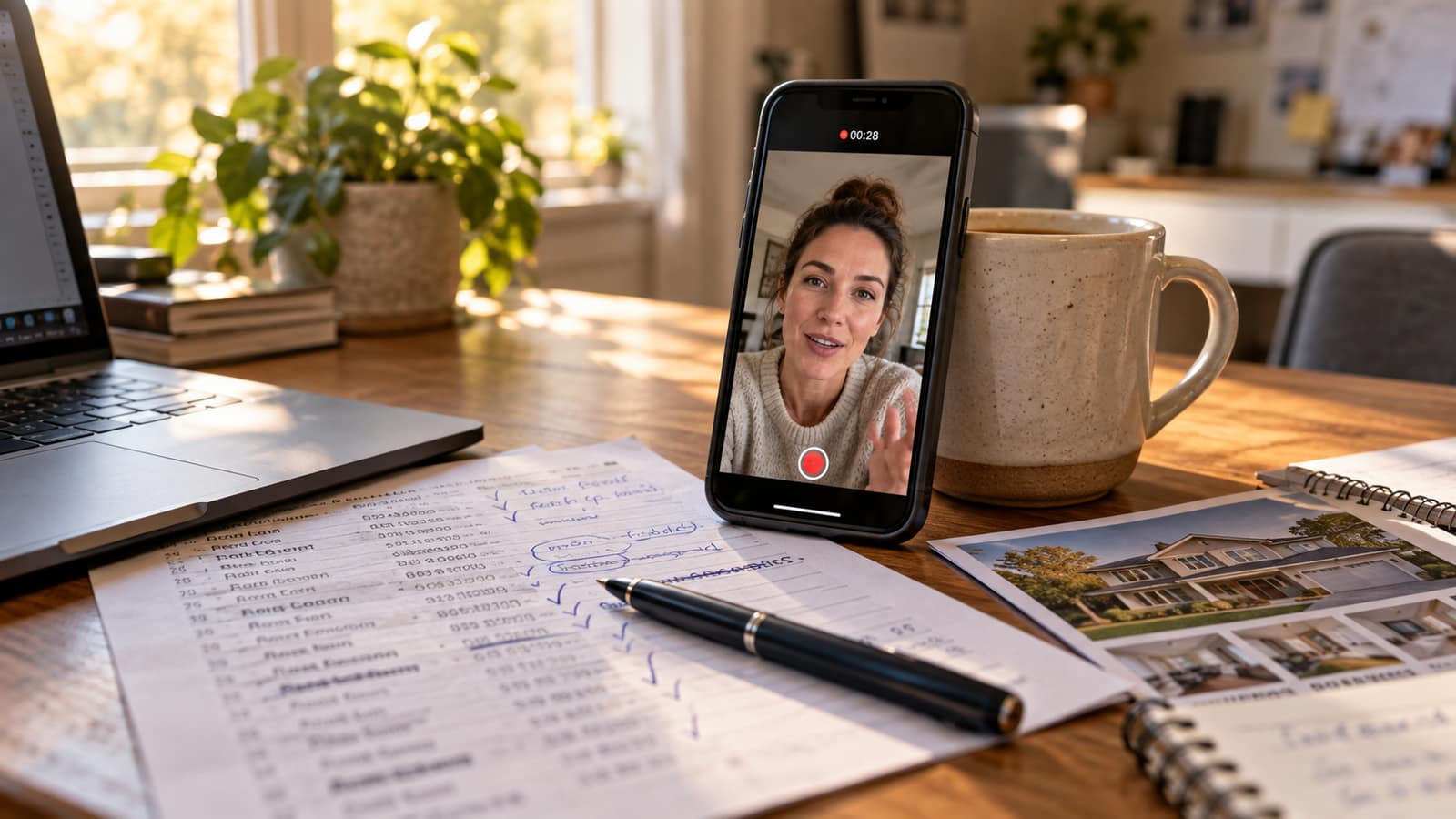
When real estate leads go cold, re-engage them with a 60-second personal video message (not a text, not an email blast), followed by a value-based text or email on day 3, a genuine phone call on day 7, and a personal note on day 14. The key is that the re-engagement leads with value and genuine interest, not with a sales pitch. Most cold leads went silent because the follow-up stopped or felt transactional. Changing the approach is what reopens the door.
Key Takeaways
- Most cold leads are not lost. They went silent because the follow-up stopped or felt like a sales pitch.
- A 60-second personal video message is the single most effective re-engagement tool. It is personal, disarming, and hard to ignore.
- The re-engagement sequence runs over 14 days: video, value text, phone call, personal note. Then the standard cadence takes over.
- Leads who went cold because life happened on their end are the highest-value recoverable leads in your database.
- The system that prevents leads from going cold in the first place is more valuable than any re-engagement sequence.
They Are Not Dead. They Are Waiting.
Every agent has them. The leads who were interested three months ago and stopped responding. The open house contacts who gave their number and then went quiet. The past clients who loved you during the transaction and have not heard from you since.
Most agents write them off. They assume the lead moved on, found another agent, or lost interest. Some of those assumptions are correct. Many of them are not. The lead who stopped responding to your texts may have gotten busy. May have had a life change that paused the move. May have simply forgotten your name because nobody reminded them.
The agents who re-engage cold leads systematically recover deals that the agents who give up leave on the table. The difference is not persistence. It is approach.
A cold lead is not a closed door. It is a door that nobody has knocked on the right way yet.
Why Leads Actually Go Cold
Five reasons. Only one of them means the lead is truly gone.
| Why They Went Cold | What Actually Happened | Whether They Are Still Recoverable |
|---|---|---|
| You waited too long on the initial response | The lead contacted another agent who responded first. First contact wins the majority of the time. | LOW · The relationship started with someone else. A long-term nurture is the only play. |
| You followed up once and stopped | The lead was not ready on your timeline. They are still in the market but your name faded. | HIGH · They were interested. They just were not ready yet. Re-engage with value, not a sales pitch. |
| Your follow-up felt like a sales pitch | The lead felt pursued, not helped. They stopped responding to avoid the next pitch. | MEDIUM · A genuine, no-pitch re-engagement can reopen the door if the tone changes completely. |
| Life happened on their end | Job change. Family situation. Financial shift. The move is still coming, just not right now. | HIGH · These are the highest-value cold leads. They need patience, not pressure. |
| They fell out of your CRM | No sequence was running. No reminders fired. The lead literally disappeared from your system. | DEPENDS · Under 6 months, very recoverable. Over 12 months, treat as a new contact. |
The last column is the one that matters. Most cold leads are more recoverable than agents assume.
The most common reason leads go cold is not that they chose someone else. It is that the follow-up stopped. The agent got busy. A good month happened. Prospecting and follow-up slid. By the time the agent circled back, the lead had gone 60 or 90 days without hearing from anyone. The relationship cooled not because of a decision but because of an absence.
When real estate leads go cold, re-engage them with a personal video message on day 1, a value-based text or email on day 3, a genuine phone call on day 7, and a handwritten note or personal email on day 14. Lead with value and genuine interest, not a sales pitch. Most cold leads went silent because follow-up stopped or felt transactional, not because they chose another agent. After re-engagement, enter the lead into a standard quarterly touchpoint cadence so the relationship stays active.
The 14-Day Re-Engagement Sequence
Video first. Value second. Call third. Note fourth. System after.
The re-engagement sequence is designed to reopen a relationship that has gone quiet without sounding like a sales pitch. The order matters. Each touch builds on the last.
What to say: Use their name. Reference your last interaction. Keep it short and genuine. No pitch.
Why it works: Video is disarming. It shows your face and tone. Much harder to ignore than a text.
What to say: Market update specific to their area. Something useful that has nothing to do with selling them.
Why it works: Demonstrates you are paying attention to their situation, not just your pipeline.
What to say: Genuine check-in. Ask how they are doing. Mention the video if they saw it. No sales language.
Why it works: By now they have seen two touches. The call feels like a continuation, not a cold outreach.
What to say: Short. Personal. "Was thinking about your situation and wanted to check in."
Why it works: Physical mail stands out. A personal email with no template formatting stands out even more.
What to say: Quarterly contact. Market updates. Check-ins. The ongoing system.
Why it works: The re-engagement is complete. The relationship is re-warmed. The system maintains it from here.
The entire sequence takes 14 days. After that, the standard touchpoint cadence maintains the relationship indefinitely.
The video message on day one is the move that makes this sequence work. A text gets ignored. An email gets deleted. A 60-second video where you say their name, reference something specific about them, and keep it short and genuine is very difficult to ignore. The format is disarming because it shows your face and your tone. It communicates effort. Most agents will never do this, which is exactly why it works.
The phone call on day seven is not a cold call. By day seven, the lead has seen the video and the value text. The call feels like a continuation of a conversation, not a surprise interruption. That context changes everything about how the call is received.
The System That Prevents Leads From Going Cold in the First Place
Re-engagement is the fix. Prevention is the system.
Every cold lead in your database represents a failure of the follow-up system, not a failure of the lead. The lead did what leads do. They waited. The system is what was supposed to keep touching them during the wait.
The agents who rarely have cold leads are the ones running a CRM-driven follow-up sequence that fires automatically regardless of how the month is going. The sequence does not stop when the agent gets busy. It does not skip a week because the pipeline is full. It runs.
If you find yourself needing to re-engage a large number of cold leads, the sequence in this article will recover many of them.
But the more important question is what broke in the system that let them go cold in the first place. Fix that, and the re-engagement problem shrinks every month.
The full follow-up system with specific cadences and CRM automation is covered in detail here.
Frequently Asked Questions
How do you re-engage cold real estate leads?
Start with a 60-second personal video message using their name and referencing your last interaction. Follow with a value-based text or email on day 3, a genuine phone call on day 7, and a personal note on day 14. Lead with value, not a pitch. After the re-engagement sequence, enter the lead into a standard quarterly touchpoint cadence.
Are cold real estate leads worth pursuing?
Most of them are. Leads who went cold because life happened on their end or because follow-up stopped are highly recoverable. The only leads that are genuinely gone are the ones who committed to another agent and closed a transaction. Even leads who initially chose someone else may re-enter the market if that relationship did not work out.
How long should you follow up with a real estate lead?
Until they buy, sell, or tell you to stop. The standard cadence after re-engagement is a touchpoint every 90 days. Some leads take 6 months. Some take 2 years. The agents who maintain the system for the full cycle close deals that the agents who give up after 30 days never see.
What is the best way to follow up without being pushy?
Lead with value instead of a pitch. A market update about their neighborhood, a relevant piece of information about their situation, or a genuine check-in with no real estate agenda. If the lead can sense that your follow-up is motivated by your pipeline rather than their needs, it feels pushy regardless of the words you use. Change the motivation and the tone follows.
The Bottom Line
Cold leads are not failures. They are follow-up system failures. Most of them are recoverable with the right approach at the right time.
Run the 14-day sequence. Recover what you can. Then fix the system so fewer leads go cold in the first place.
The deals you think you lost are often the deals nobody followed up on long enough.
- The Real Estate Lead Follow-Up System That Books More Appointments
- How to Build a Sphere of Influence in Real Estate That Sends You Referrals Without Asking
- How to Build a Real Estate Database From Scratch (Even If You Know Nobody in the Market)
- What Is a Real Estate ISA, and Do You Actually Need One?
The System Prevents It. The Coaching Makes Sure It Runs.
A Club Wealth coach builds the follow-up sequences, installs the CRM automation, and holds you accountable to running them consistently. The system is what prevents leads from going cold. The coaching is what makes sure the system runs.